Height Is Mostly Genetic — Development Still Matters.
Adult height is influenced primarily by genetics, but normal growth also depends on adequate nutrition, general health, hormonal function, sleep and the absence of major developmental limitations.
Height is determined largely by genetics, but the extent to which someone reaches their natural growth potential can also be influenced by nutrition, general health, hormonal development and environmental conditions during the growing years.
While growth is still active, adequate energy intake, sufficient protein, balanced nutrition and appropriate micronutrient status help support normal development. Chronic undernutrition and genuine vitamin or mineral deficiencies can interfere with normal growth and may prevent someone from fully reaching their natural potential.
The goal is not to force the body beyond its genetic limits. It is to reduce avoidable factors that could interfere with healthy development.
Sleep also matters during the growing years. Growth-hormone secretion is closely associated with sleep, particularly deeper stages of sleep. This does not mean that sleeping at a specific hour or simply sleeping longer will create extra height. The practical goal is consistent, sufficient sleep that supports normal recovery and development.
Hormonal health plays an important role as well. Normal growth depends on a healthy endocrine environment, including appropriate growth-hormone, thyroid and sex-hormone function.
Once skeletal growth is complete and the relevant growth plates have closed, stretching, exercise and supplements cannot permanently lengthen the femur, tibia or other long bones.
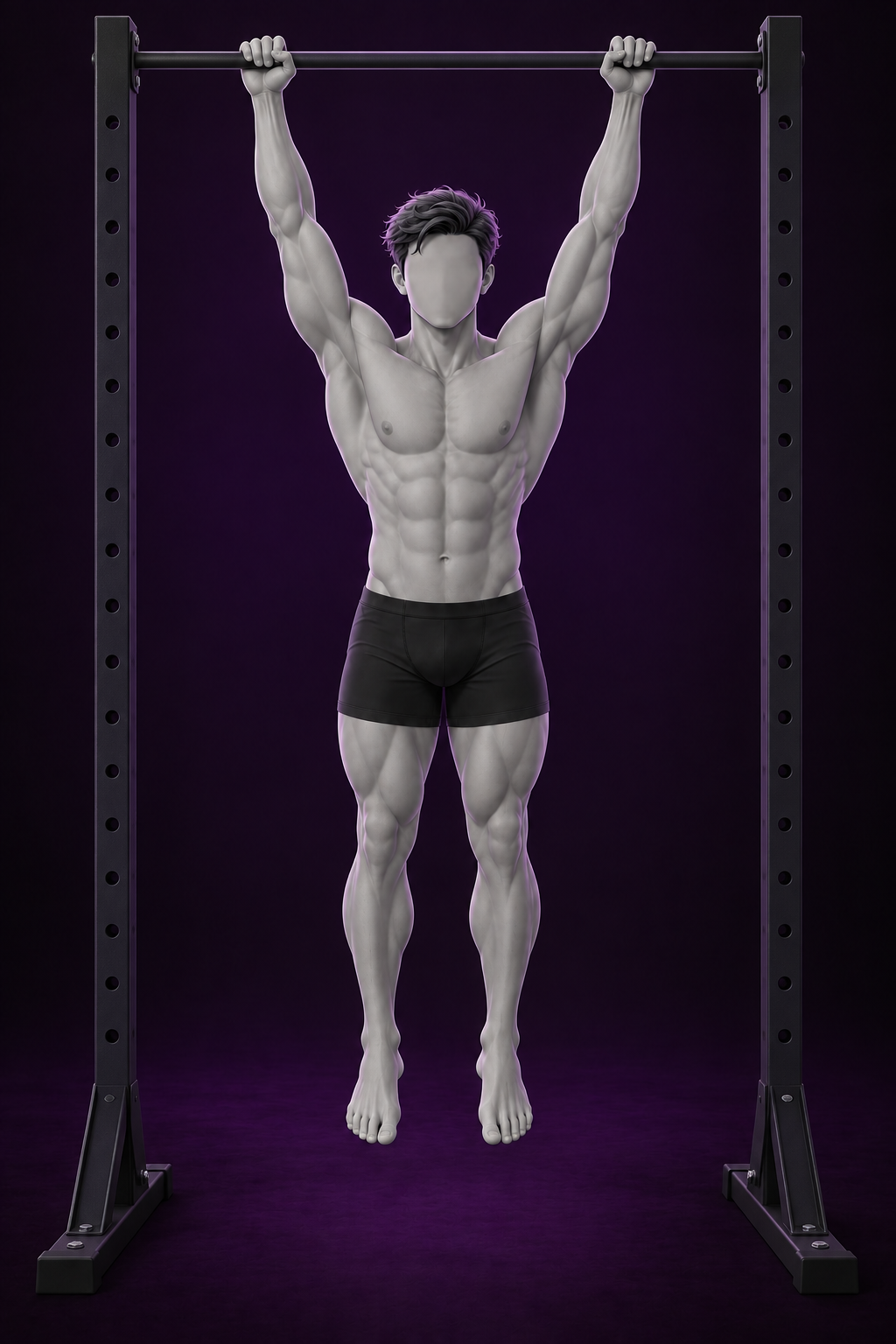
Measured height is not completely constant throughout the day. Standing, walking and loading compress the intervertebral discs, while rest and sleep allow those structures to recover fluid. This is why morning height can be measurably greater than evening height.
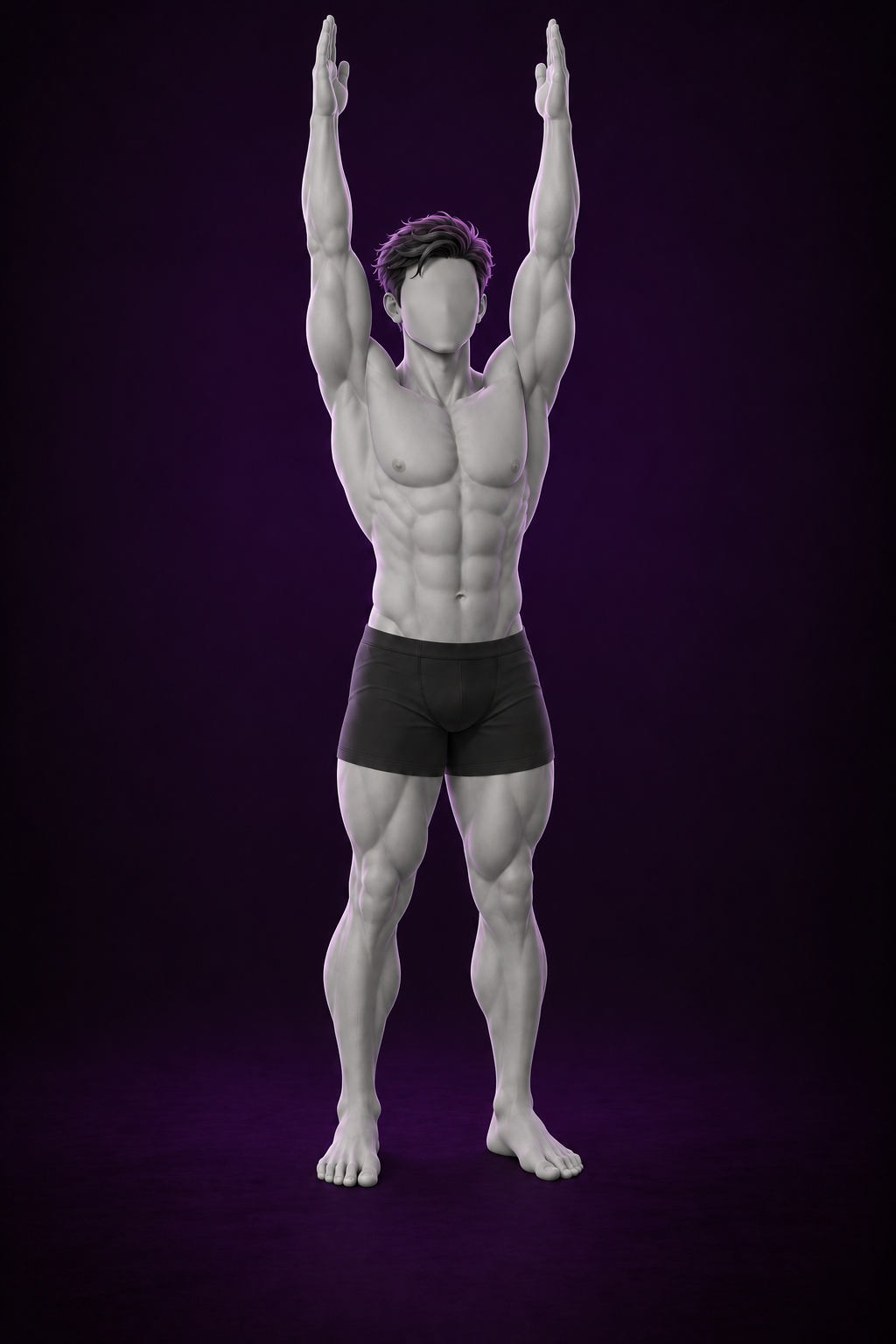
After skeletal growth is complete, the realistic goal is not to lengthen the bones but to carry your existing height as effectively as possible. Better posture, adequate mobility, and stronger core and upper-back musculature can help you stand closer to your natural maximum height.